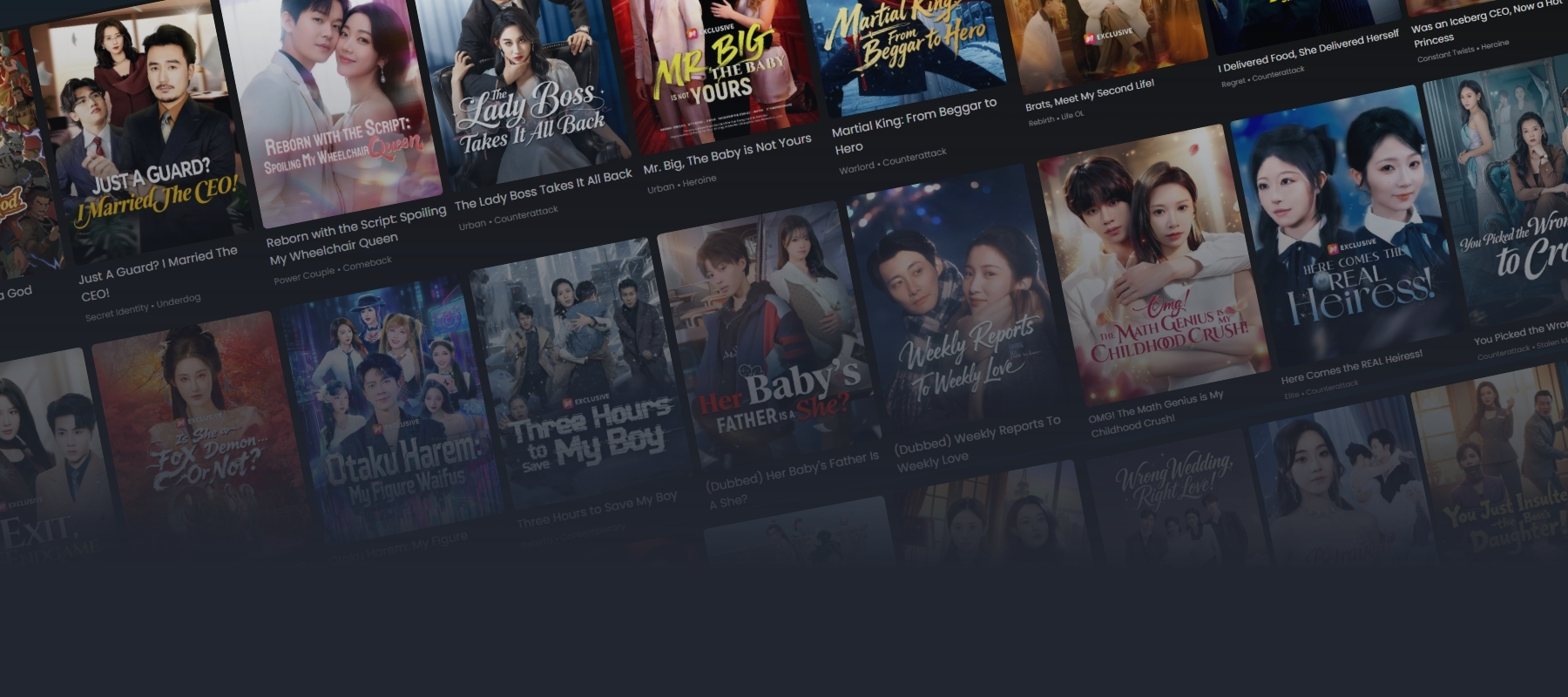

NetShort is a website centered on short dramas, mini-series, and the storytelling styles that make bite-sized entertainment appealing. From emotional romance and difficult family relationships to revenge, hidden identities, and supernatural romance, short dramas bring different kinds of conflict into compact, episodic stories.
Unlike traditional television series that may spend an entire episode establishing characters and their circumstances, many short dramas introduce important relationships and conflicts much sooner. A misunderstanding can change the direction of a romance, a family secret can reshape a character’s future, or an unexpected revelation can turn a familiar situation into something entirely different.
Whether you are discovering short dramas for the first time or already enjoy fast-moving series, NetShort provides an introduction to the genres, story structures, and viewing choices associated with short-form entertainment. Explore the themes below to understand what makes these stories distinctive and decide what kind of drama you might enjoy next.
What Is NetShort?
NetShort focuses on short dramas and mini-series, particularly the character-driven stories, emotional conflicts, and episodic formats associated with this type of entertainment. The website introduces common drama themes and provides information that can help viewers understand different storytelling styles.
Short dramas are generally built around episodes that are considerably shorter than those of conventional television programs. Instead of developing one storyline across lengthy installments, they often use compact scenes, focused dialogue, and turning points that encourage viewers to follow the next part of the story.
Although short dramas are frequently associated with mobile viewing, their defining characteristic is not simply the screen on which they are watched. Their appeal also comes from narrative pacing: major developments can happen quickly, while character relationships and unresolved questions carry the story across episodes.
Understanding the Appeal of Short Drama Storytelling
Short episodes with a focused narrative
A shorter episode leaves less room for extended introductions or unrelated subplots. Writers often establish the central problem early and build individual scenes around decisions, confrontations, or discoveries that affect the characters.
This structure can appeal to audiences who prefer entertainment in smaller installments. However, the length of an episode does not necessarily determine the length of the complete story. Some mini-series contain enough connected episodes to develop complicated relationships and multiple plotlines.
Character conflicts that move the story forward
Personal conflict is central to many short dramas. Characters may struggle with trust, loyalty, family expectations, social pressure, or the consequences of earlier decisions. These conflicts give even a brief episode a clear dramatic purpose.
For example, a romance might revolve around a concealed marriage, while a family drama could follow a character trying to establish their identity. The same storytelling approach can also work in mysteries, supernatural stories, and revenge narratives.
Cliffhangers and unexpected revelations
Short-form series frequently end episodes at moments of uncertainty. A character may discover an important secret, confront someone from their past, or face a decision that changes an existing relationship.
These cliffhangers are part of the episodic structure, but they are most effective when supported by believable motivations and a story that develops beyond a series of surprises.
Explore Different Short Drama Genres and Story Themes
Short dramas are not limited to one genre. Romance, family conflict, ambition, fantasy, and suspense can all fit into compact episodes. Understanding the differences between these themes can make it easier to choose stories that match your interests.
Romance and relationship dramas
Romance stories explore how relationships develop, change, or break down under emotional pressure. A couple may face misunderstandings, conflicting expectations, separation, or the possibility of starting over after a difficult experience.
Common themes include second chances, secret relationships, marriage arrangements, reconciliation, and love complicated by family expectations. Some stories focus on the excitement of a new relationship, while others examine the consequences of betrayal or poor communication.
This type of drama can be a good starting point for viewers who prefer character development and emotional decisions over action or mystery.
CEO romance and billionaire love stories
CEO and billionaire romances combine personal relationships with differences in wealth, social status, and professional power. Stories may involve workplace relationships, contract marriages, family businesses, or characters whose circumstances change after an unexpected encounter.
The dramatic tension often comes from the difference between public identity and private feelings. A wealthy character may conceal their identity, while another character may struggle with assumptions about money, ambition, or social background.
These narratives appeal to viewers interested in romantic tension shaped by power, independence, personal choices, and changing relationships.
Revenge, betrayal, and hidden identities
Revenge dramas often begin with a serious injustice. A character might be deceived by someone they trust, excluded from their family, falsely accused, or forced to confront the consequences of betrayal.
The story then follows their attempt to recover, uncover the truth, or challenge the people responsible. Hidden identities, unexpected inheritances, and revelations about a character’s past can add further complications.
Not every revenge story ends with punishment. Some explore forgiveness, personal growth, or the cost of remaining focused on past wrongdoing. This variety makes the genre appealing to viewers who enjoy suspense and decisive turning points.
Werewolf, fantasy, and supernatural romance
Fantasy short dramas introduce elements beyond everyday life. They may involve supernatural abilities, mysterious family histories, magical worlds, or relationships shaped by rules that do not exist in ordinary reality.
Werewolf romance, for example, often uses pack relationships, loyalty, destiny, and forbidden attraction to create tension between individual desires and the expectations of a larger group.
Other supernatural stories may focus on transformation, hidden powers, or characters discovering that their identities are connected to an unfamiliar world. Fantasy is particularly suited to viewers who enjoy imaginative premises combined with emotional conflicts.
Family secrets and identity revelations
Family-centered dramas explore relationships between parents, children, siblings, and relatives whose decisions affect one another. In some stories, a concealed identity or long-standing misunderstanding changes how characters understand their family history.
Popular narrative devices include mistaken identities, separated relatives, disputed inheritances, and revelations about a character’s upbringing. These plots can combine emotional confrontation with mystery as characters gradually uncover what happened in the past.
For viewers who prefer personal stakes and relationship-driven stories, family dramas provide an alternative to romance-centered plots.
How Are Short Dramas Different From Traditional TV Series?
The most noticeable difference is often episode length, but storytelling structure is equally important. Traditional television dramas may spend considerable time introducing a setting, developing supporting characters, and establishing several connected storylines. Short dramas often concentrate on one immediate conflict and expand it through a sequence of brief episodes.
Another difference is pacing. A conventional television episode might gradually build toward a major revelation near its ending. In short-form storytelling, smaller revelations, confrontations, and changes in character relationships may occur much more frequently.
Short dramas also differ from standalone short films. A short film generally presents a self-contained narrative within a limited running time, while a short drama series divides a connected story into separate installments. Understanding that distinction can help viewers decide whether they want a complete story in one sitting or an episodic experience.
Neither format is inherently better. Longer series can provide room for detailed world-building and slower character development, while short dramas can offer a more concentrated way to follow emotional or suspenseful stories.
How to Choose a Short Drama That Matches Your Interests
With different genres and storytelling approaches available, choosing a drama becomes easier when you know which elements matter most to you. Rather than selecting a series based only on its title, consider the central conflict, the characters, and the type of experience you want.
- For emotional relationships: Look for romance, reconciliation, second-chance love, or family-centered stories.
- For suspense and confrontation: Explore revenge narratives, concealed identities, and mysteries involving past events.
- For imaginative settings: Consider supernatural romance, fantasy, werewolf stories, or plots involving hidden abilities.
- For personal transformation: Look for characters who rebuild their lives, challenge expectations, or overcome difficult circumstances.
- For connected storytelling: Check whether a title is a multi-episode series or a standalone short film.
- For a particular viewing session: Consider the number and duration of available episodes rather than assuming every short drama can be completed quickly.
Descriptions and episode information are useful starting points when they are available. A well-chosen short drama should suit your preferences, whether you enjoy intense emotional confrontations, imaginative fantasy, or quieter character-focused moments.
Watching Short Dramas on Mobile and Desktop Devices
Many short dramas are associated with vertical video, a format that fits the portrait orientation of smartphones. This approach can emphasize facial expressions, close interactions, and dialogue between a small number of characters. It is especially common in stories designed around brief, character-focused scenes.
However, not every short drama uses the same aspect ratio or viewing format. Some productions use landscape video or other presentation styles. The best viewing experience depends on how a particular title was produced and how its video player is implemented.
When choosing where to watch, consider the screen size, readability of subtitles, available playback controls, and whether individual episodes are accessible in your browser. The ability to resume playback, change video quality, or use full-screen mode depends on the features of the specific viewing service.
Short episodes can be convenient for smaller viewing sessions, but viewers should still check a series’ total episode count before deciding how much time they want to spend following the complete story.
Discovering Short Drama Information on NetShort
NetShort brings together introductory information about short-form entertainment, including the characteristics of mini-series, common story themes, and the differences between short dramas and longer television productions.
If you are unfamiliar with a particular genre, start by understanding its typical conflicts and storytelling patterns. Romance-focused viewers may be interested in relationship dynamics, while fans of suspense may prefer revenge plots or identity-based mysteries. Fantasy audiences may look for supernatural settings and unusual character relationships.
As you explore short-form entertainment, distinguish between general genre descriptions and information about individual productions. Specific details such as cast members, episode totals, release dates, subtitles, and viewing availability should be checked against the relevant title information rather than assumed from a genre description.
For questions about this website, content corrections, or issues with its pages, visit the NetShort Contact Us page.
Frequently Asked Questions About NetShort
Is NetShort suitable for new short drama viewers?
Yes. NetShort is suitable for new viewers because short dramas are usually easy to understand and do not require a long time commitment. The simple format helps beginners start watching without feeling overwhelmed.
Do viewers need to watch episodes in order?
For most short series, it is better to watch episodes in order because the story usually develops from one episode to the next. Watching in sequence helps viewers understand the character relationships and plot twists more clearly.
Can NetShort be watched on mobile devices?
Yes. NetShort is designed for viewers who enjoy watching short content on mobile devices. The short episode format makes it convenient for smartphone viewing.
What should viewers consider before choosing a short drama?
Viewers can choose a short drama based on genre, story theme, character conflict, and episode style. Romance fans may prefer relationship dramas, while viewers who like suspense may enjoy revenge or identity reveal stories.
Home Blog Privacy Policy Editorial Responsibility Terms of Use About Us Contact Us
NetShort | All Rights Reserved | 2026 NETSTORY PTE. LTD.